Start With the Right Reason for Your Renovation
What happens when you don’t start with the real reason for your renovation?
Most people walk into a renovation thinking they know exactly what they want.
“We need an extension.”
“We want a bigger kitchen.”
“We need more space.”
And on the surface, that all makes sense. But in reality, those aren’t the decisions. They’re just the starting point.
Because behind every successful project, there’s usually a nagging frustration or a wish that sparked the whole idea. If you’re not clear on that from the start, everything gets more complicated than it needs to be.
It usually starts too far down the line
By the time most people start planning, they’re already thinking about layouts.
Where the kitchen will go.
How big the island should be.
Where the doors open out to the garden.
But those choices only really make sense once you’re clear on why you want to take on the project at all. Without that, you’re designing in reverse.
That’s when you end up with a project that feels a bit disconnected. It’s not a bad space—it just doesn’t quite do what you hoped it would.
“We just need more space”
This is probably the most common one. And it sounds reasonable. But it’s also vague.
But more space for what, exactly?
Cooking?
Entertaining?
Somewhere for the kids to spend time?
A quieter place to sit?
Without that clarity, what usually gets built is just… more room. Bigger, yes. But not necessarily better.You get a space that looks generous, but doesn’t really support how you actually live day to day.
“We want to bring people together”
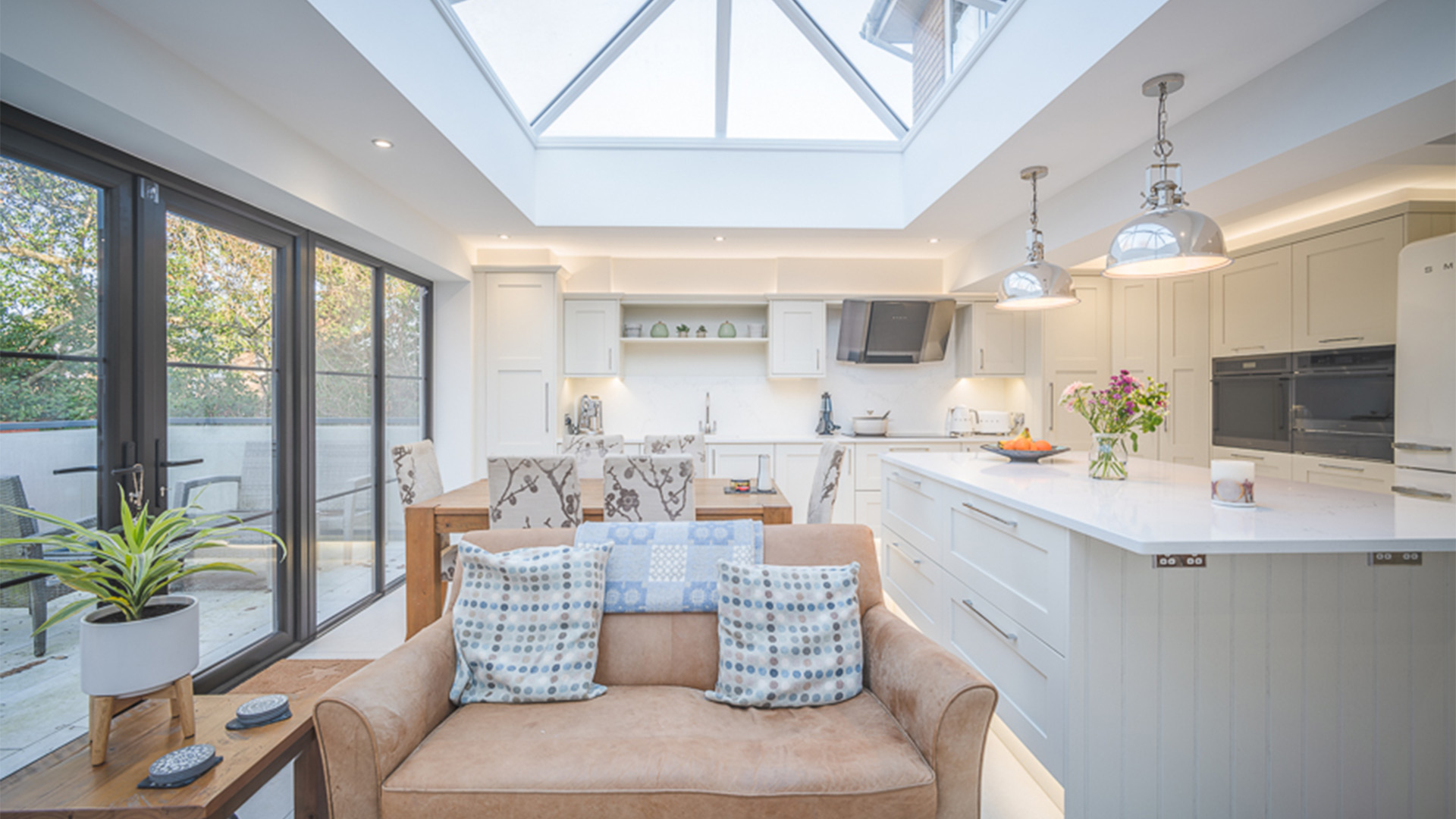
This is where things start to sharpen. Because now you’re designing for a specific outcome.
You’re thinking about flow. How people move through the space. Where they naturally gather.
This is where open-plan living starts to make sense. Not because it’s popular, but because it supports the way you want to live.
It might mean a larger footprint.
Fewer internal barriers.
More connection between kitchen, dining and seating areas. The layout practically dictates itself.
“We want more light”
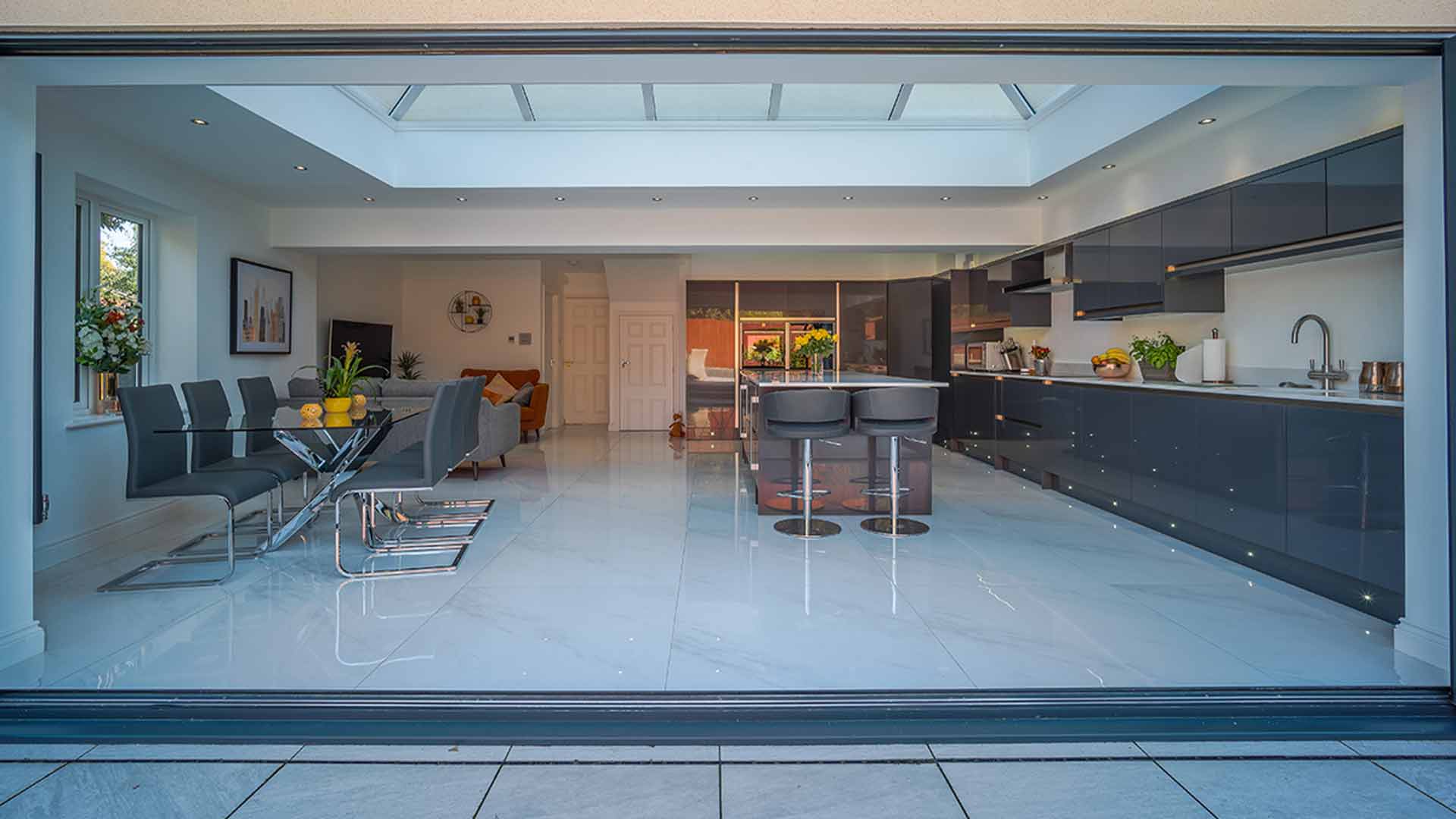
This one changes the project in a different way. It shifts the focus to orientation, glazing, and how the space interacts with the outside.
Where does the sun come from?
What time of day do you use the room most?
What do you want to see when you look out?
That might lead to roof lanterns.
Larger openings.
Or a completely different layout to make the most of natural light. Without that clarity, you might still get a nice space. But you could miss the chance to turn a dark, forgotten corner into the place everyone wants to be.
“We want the house to feel calmer”

This is harder to define, but just as important. Sometimes it’s not about adding more. It’s about improving what’s already there.
Better storage.
Cleaner layouts.
Less visual noise.
It might mean rethinking how rooms connect, rather than just extending them.
The focus shifts from adding square footage to improving the flow of what you already have. It’s often a much smarter way to spend a budget.
“We’re thinking long term”
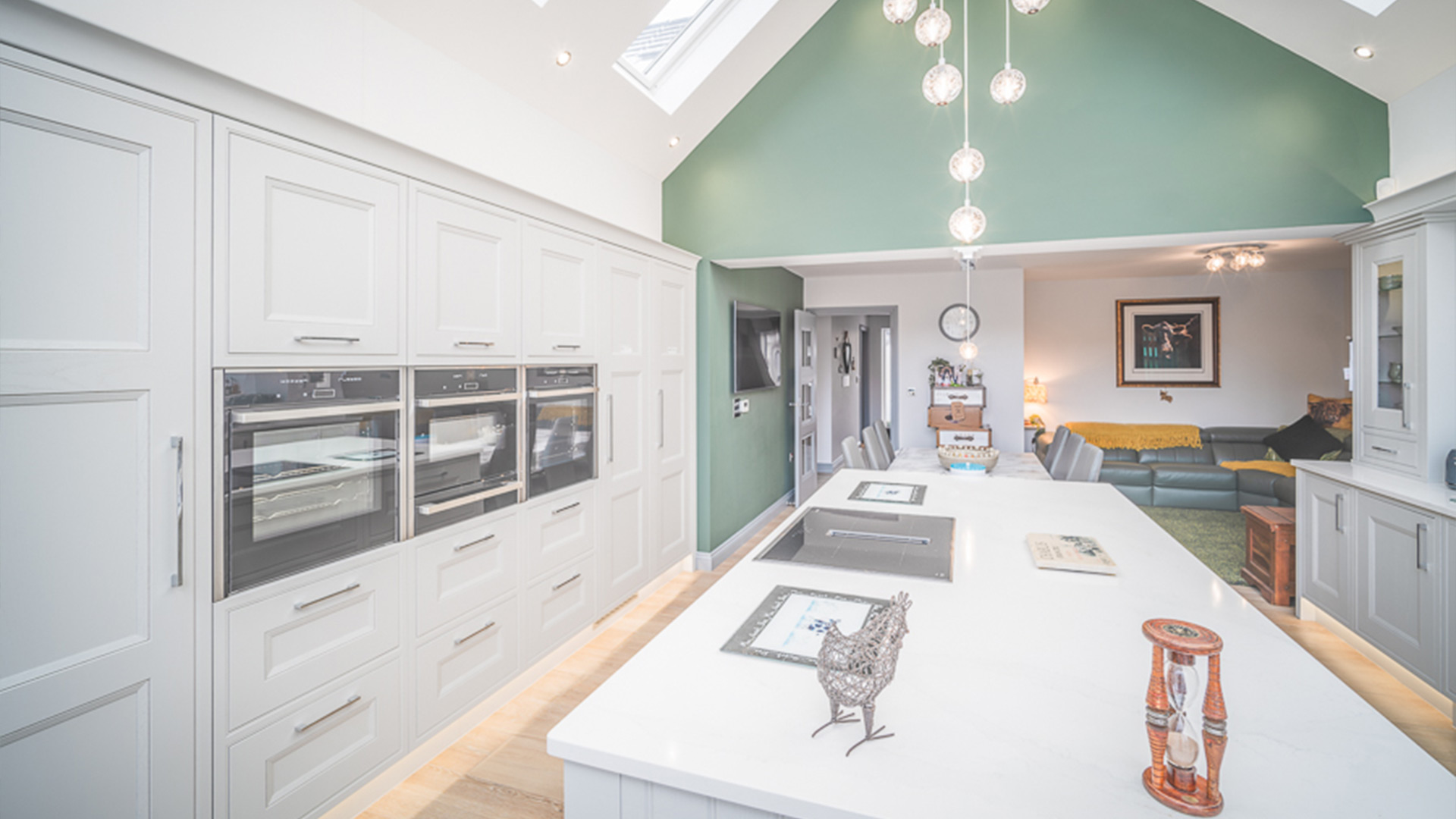
This is where the conversation shifts again. You’re no longer just thinking about now.
You’re thinking about what the home needs to support in the years ahead.
More family.
Changing routines.
Different ways of using the space.
That can influence everything from layout to access to how flexible the space needs to be over time. These decisions are rarely obvious at the start. But they make a big difference later on.
What happens when the reason isn’t clear
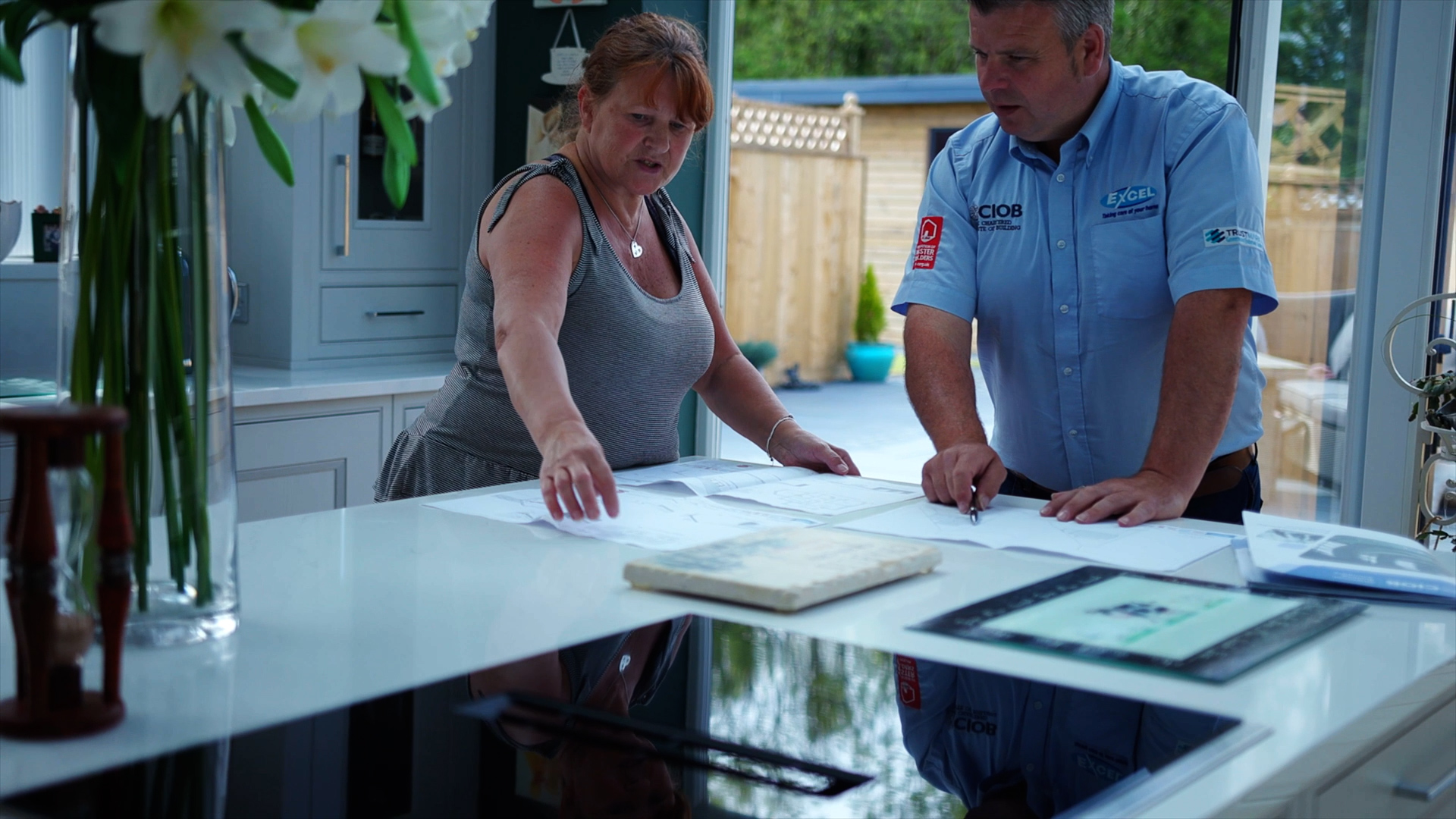
When the “why” isn’t properly defined, the design starts to drift. You end up trying to squeeze in everything.
A bit more space here. Another feature there.
Individually, those decisions seem fine.
But together, they don’t always add up to a space that feels right.
That’s when people start to feel like something is missing. Even if they can’t quite explain what it is.
When it is clear, everything lines up
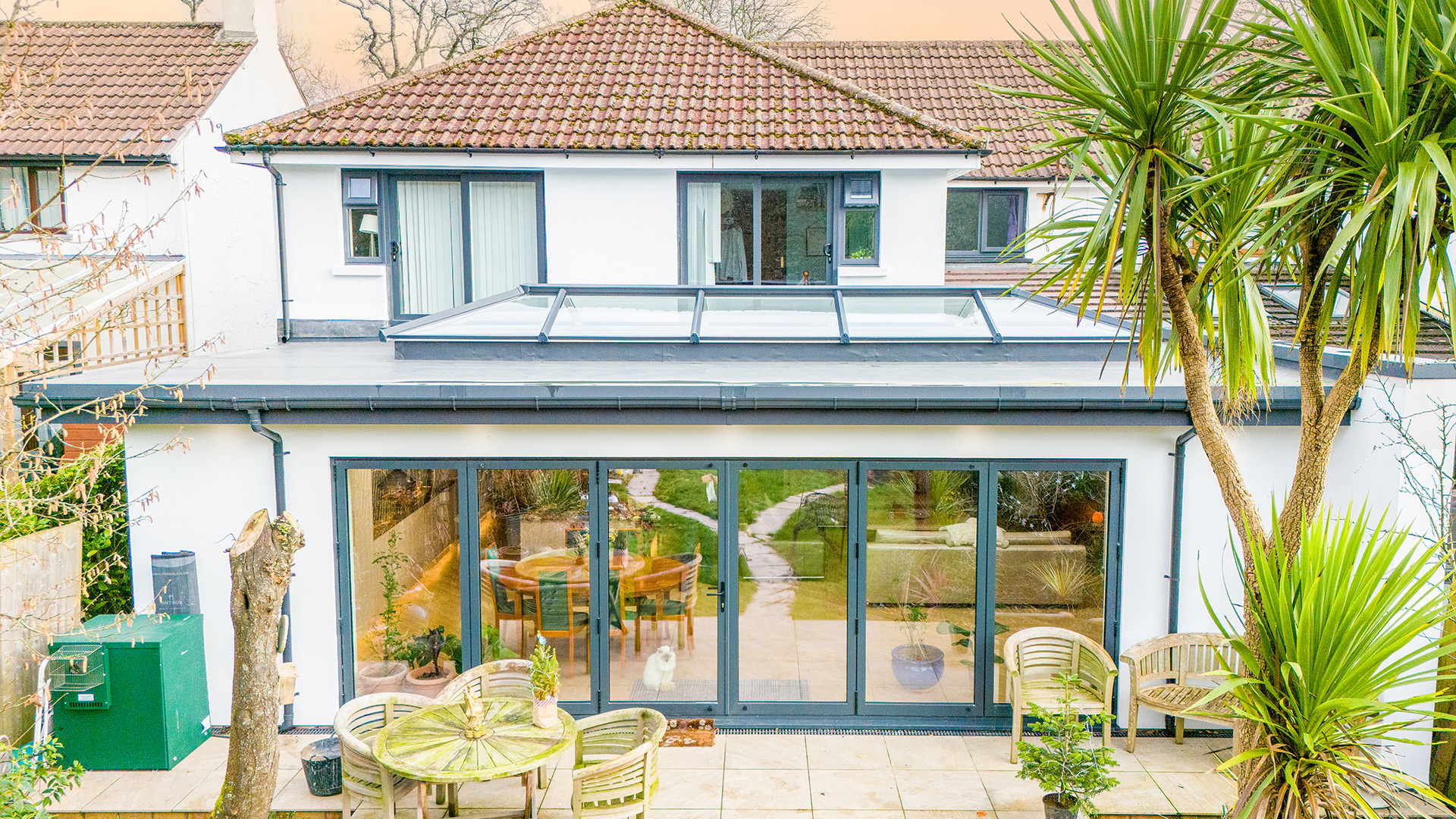
We’ve seen the difference this makes on real projects. We ran into exactly this on a project we completed in Hensol. The goal wasn’t just to extend the house. It was to create a space where everything could happen in one place. Cooking, dining, relaxing, hosting.
To make that work properly, we removed the entire rear wall and installed a nine-metre steel beam, supported at each end with reinforced foundations and a ring beam to carry the load. We did all of that to avoid introducing a central column into the room.
It added complexity from a construction point of view. But it allowed the space to function exactly as intended.
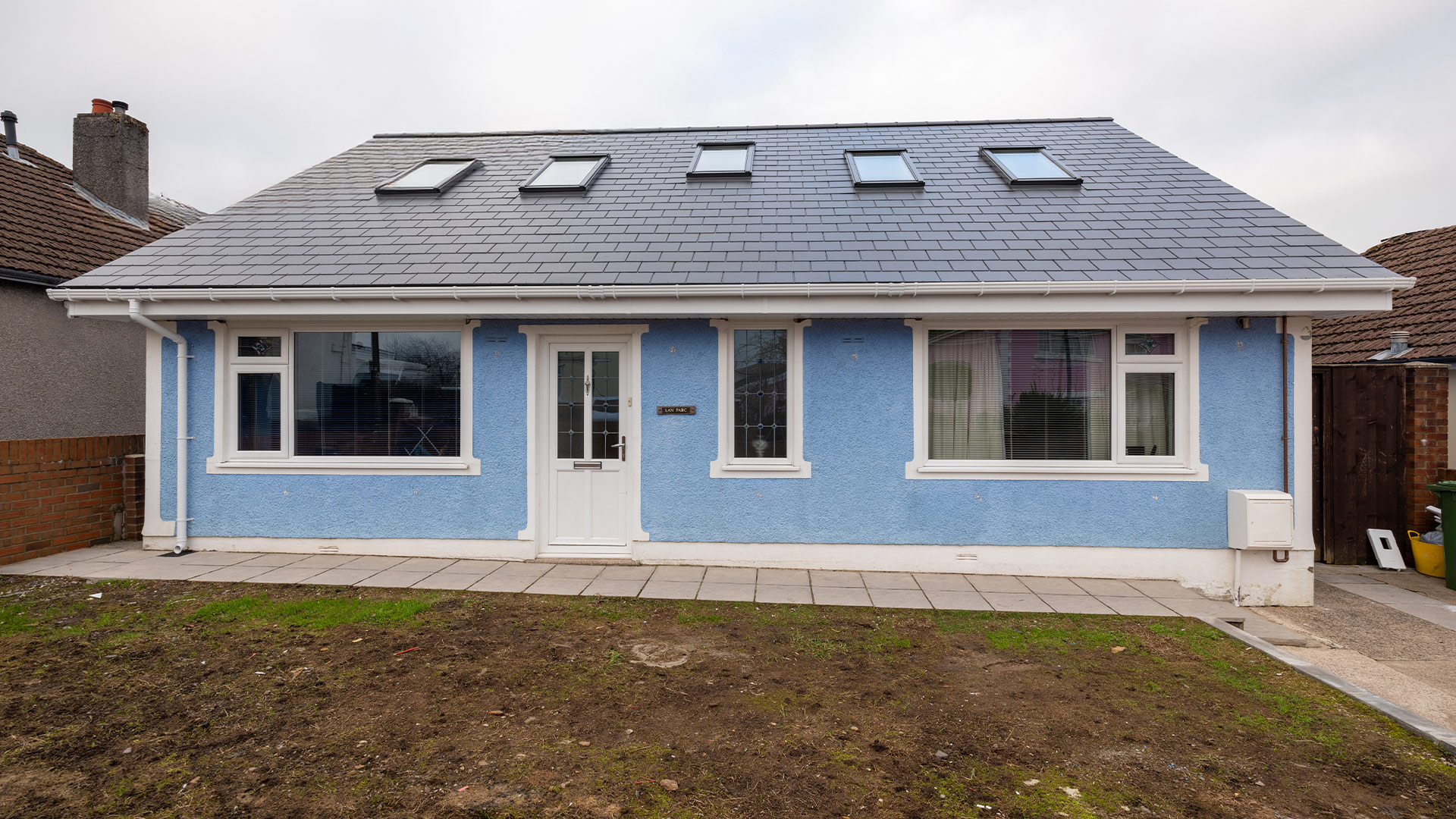
Then look at a project like the Little Blue Bungalow. The goal there couldn’t have been more different. It wasn’t about creating a dramatic architectural showpiece. It was about staying in a home they loved and making it work for a growing family.
That led to a full reconfiguration, new bedrooms, better use of space, and a layout that supported everyday life in a much more natural way.
Two very different projects.
Both shaped by a clear understanding of what the space needed to do.
A Better Place To Start
If you’re thinking about a renovation, the most useful thing you can do early on is pause. Take a breath before you get pulled into layouts, floor plans and deciding where everything goes.
Instead, take the time to understand what you actually want the space to do for you.
Not just how it should look.
But how it should feel.
How it should work.
How it should support your day-to-day life.
Because once that’s clear, the design becomes much easier to get right.
A Final Thought
The best projects don’t start with drawings.
They start with clarity.
Get that part right, and everything that follows has a much stronger foundation.
Thinking about your own project?
If you would like to book a no-obligation Creative Meeting with our Award Winning Director then please click here or call us on 01443 561 540.