When Your Dream Kitchen Doesn’t Fit
Do you scale your plans back, or create the space to do it properly?
Most people start in the same place.
They picture the kitchen. The island. The layout. How it’ll feel when it’s finally yours. Maybe you’ve got a folder of Instagram inspiration, or a mental checklist of features you’ve always wanted.
And that’s a good thing. It’s exactly where you should start. But there’s a point where that vision meets the reality of the space. That’s where things can start to unravel.
Where things start to go wrong
On paper, everything looks fine. Then you begin placing it into a real room.
- Walkways tighten up.
- Appliances begin to clash.
- The dining area gets squeezed.
- The space loses its natural flow.
On their own, these seem like small compromises. Together, they completely change how the room works. What was meant to feel open and easy starts to feel restricted. Not because the idea was wrong. Because the space wasn’t designed to support it.
But those choices only really make sense once you’re clear on why you want to take on the project at all. Without that, you’re designing in reverse.
That’s when you end up with a project that feels a bit disconnected. It's not a bad space, it just doesn't quite do what you hoped it would.
The wish-list trap
Most kitchens start from a list of wants.
A large island, open-plan living, somewhere to sit, doors out to the garden. A space to cook, relax and entertain.
There’s nothing wrong with any of that.
The problem comes when those ideas are pushed into a space that hasn’t been properly thought through.
A three-metre island, for example, might look great on its own. But it demands space. Enough room to move past with a hot pan, to open the dishwasher fully, and to move naturally without feeling restricted.
The same goes for everything else. Dining tables need proper clearance. Seating areas need breathing room. Doors need space to open and close without getting in the way.
These are the details that don’t always show up in early sketches, but they’re the ones that decide whether the space actually works.
This is where the decision comes in
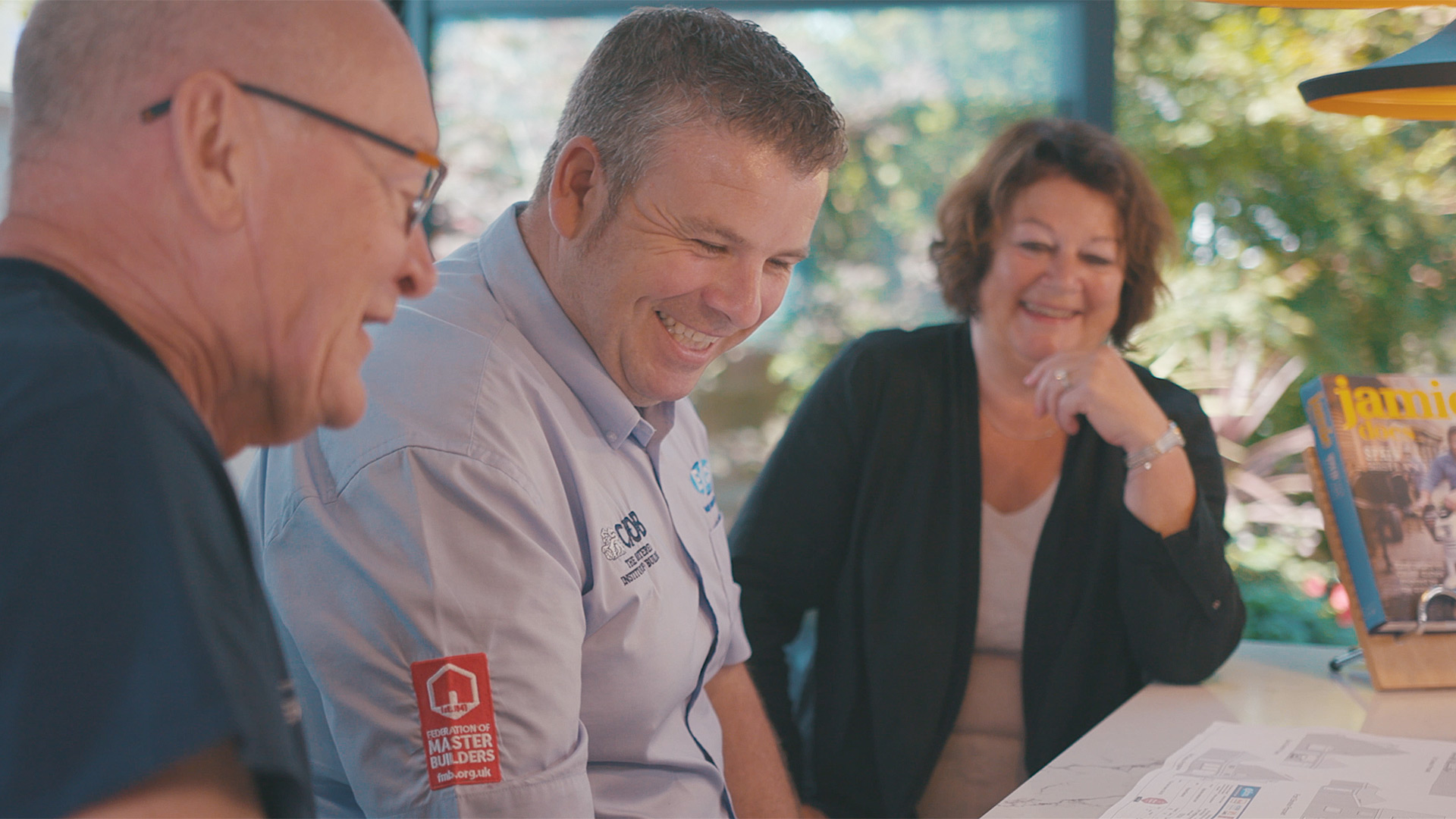
At some point, you reach a fork in the road.
Do you scale the kitchen back to fit the space, or do you rethink the space to properly support the kitchen?
It sounds like a simple decision, but in reality it rarely is.
Why shrinking the kitchen rarely feels right
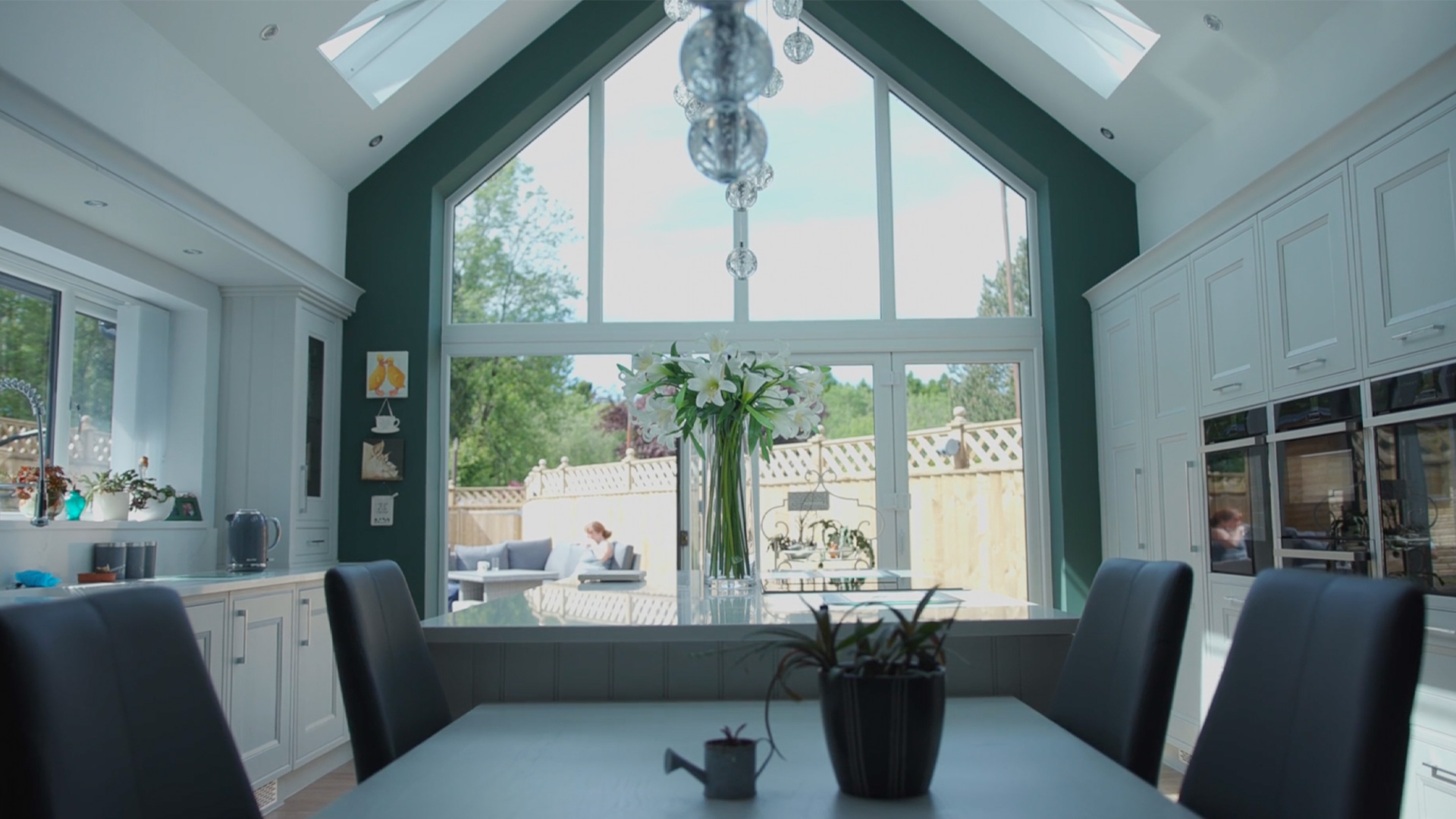
On paper, reducing the size seems like the easy option. You take a bit off the island, tighten the layout, adjust the plan, and it feels like the problem is solved. But in reality, this is where the compromise starts to show.
You notice it in the small things. Walkways feel tighter, there isn’t quite enough space around the areas you use most, and everything ends up just a bit closer together than feels comfortable.
Over time, that feeling doesn’t go away.
Because this isn’t a feature you use occasionally. It’s the space you live in every day.
What good design actually does
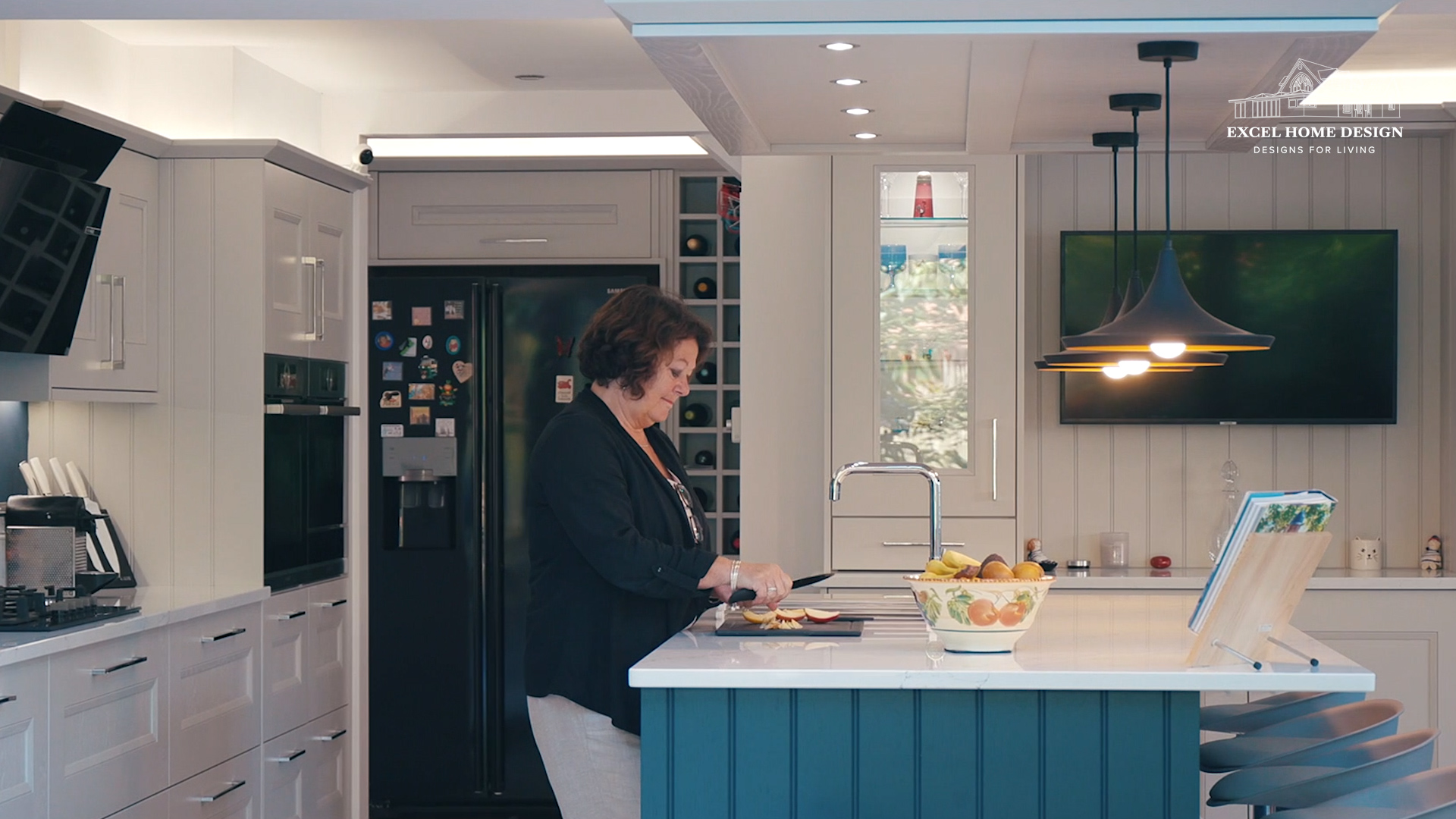
Good design doesn’t try to force ideas into a space. It works the other way round.
It starts with how you want to live, then builds the space to support it.
That means looking beyond the kitchen itself. It’s about understanding how you move through the room, where people naturally gather, and how the space feels at different times of day.
Light plays a part in that too. Where it comes from, how it moves through the space, and what it highlights.
When those questions are answered properly, the layout starts to fall into place.
The kitchen, dining area and seating space stop competing for attention and begin to work together as one.
A real example from Hensol
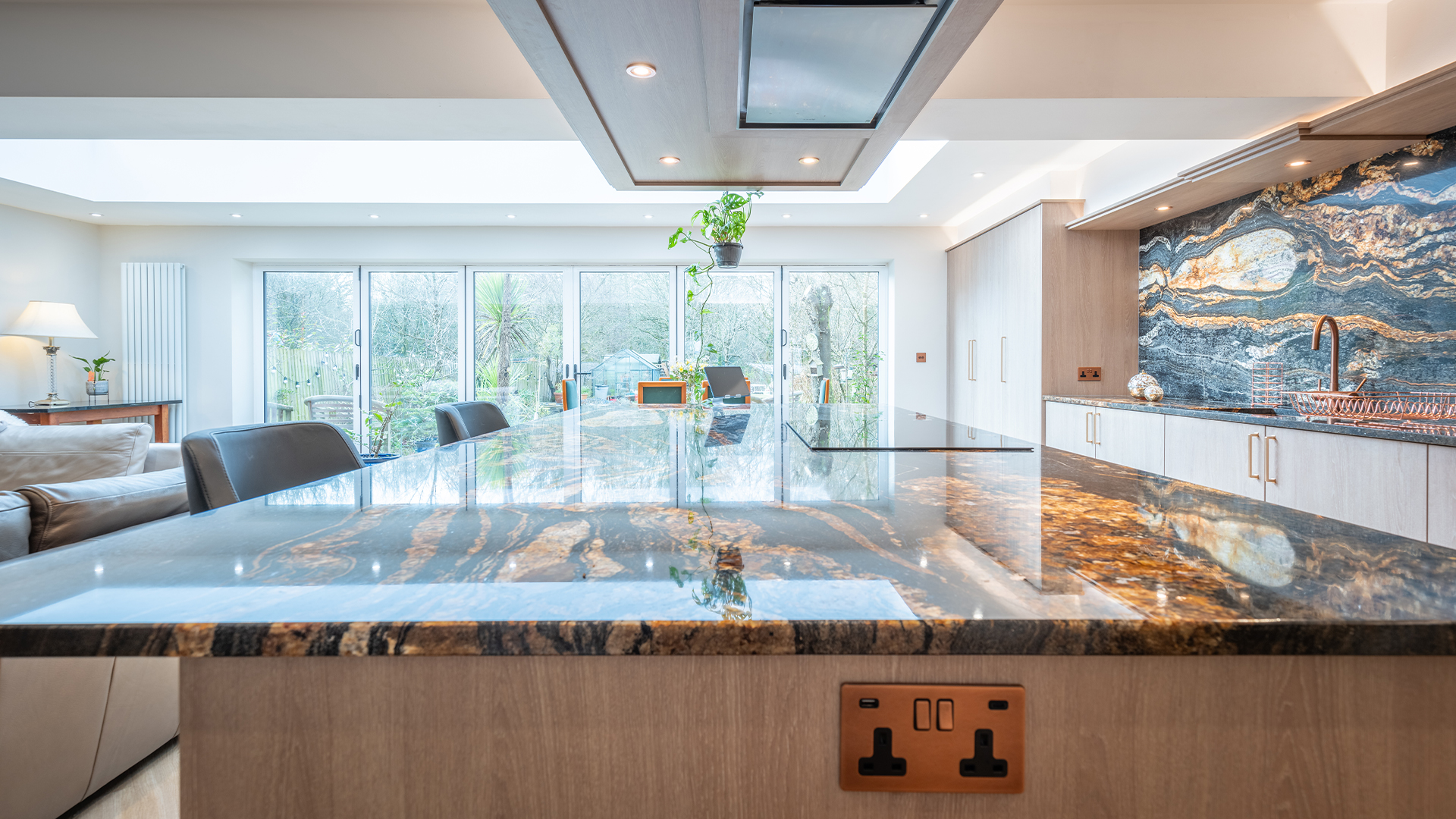
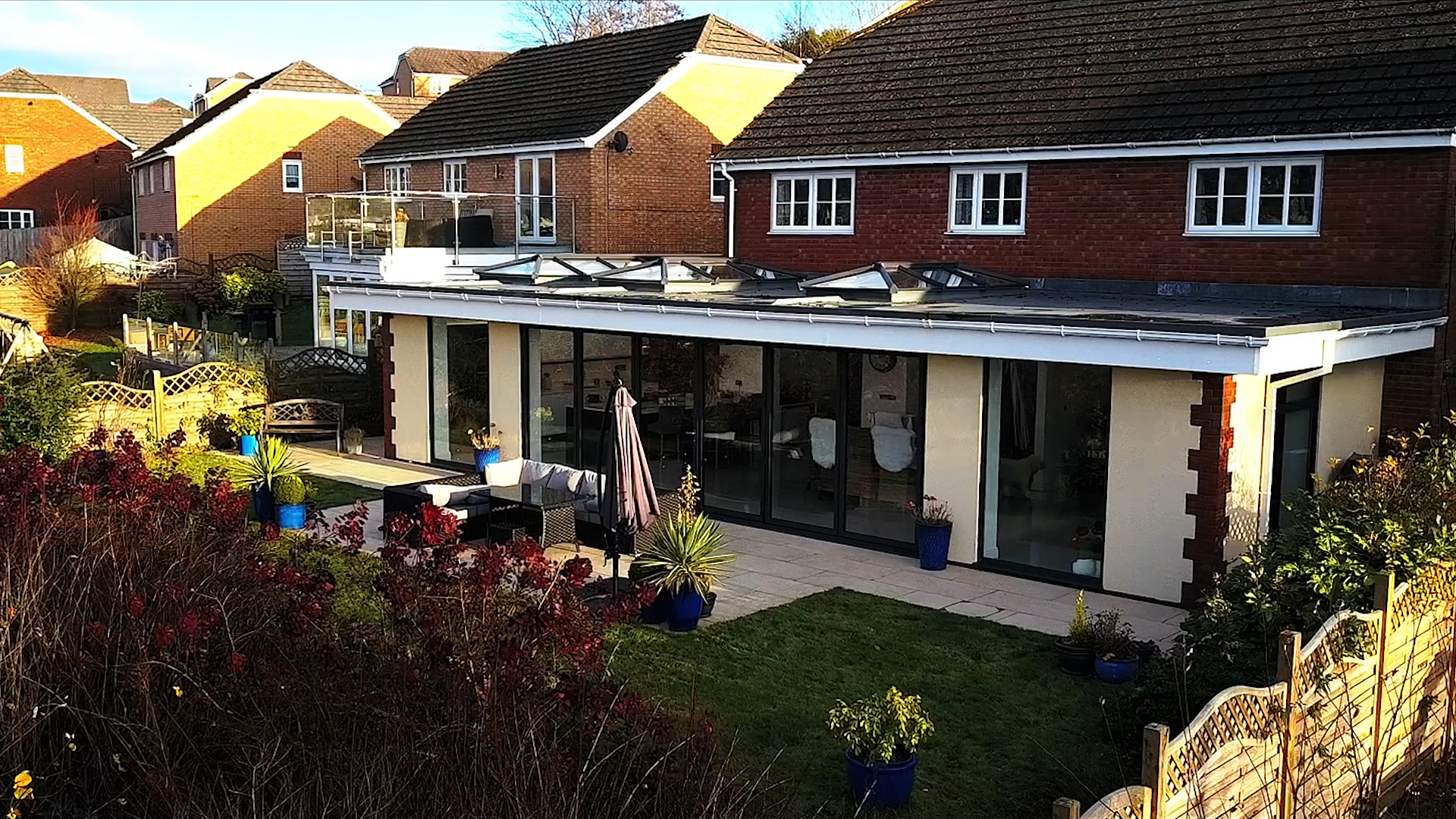
We ran into exactly this on a project we completed in Hensol.
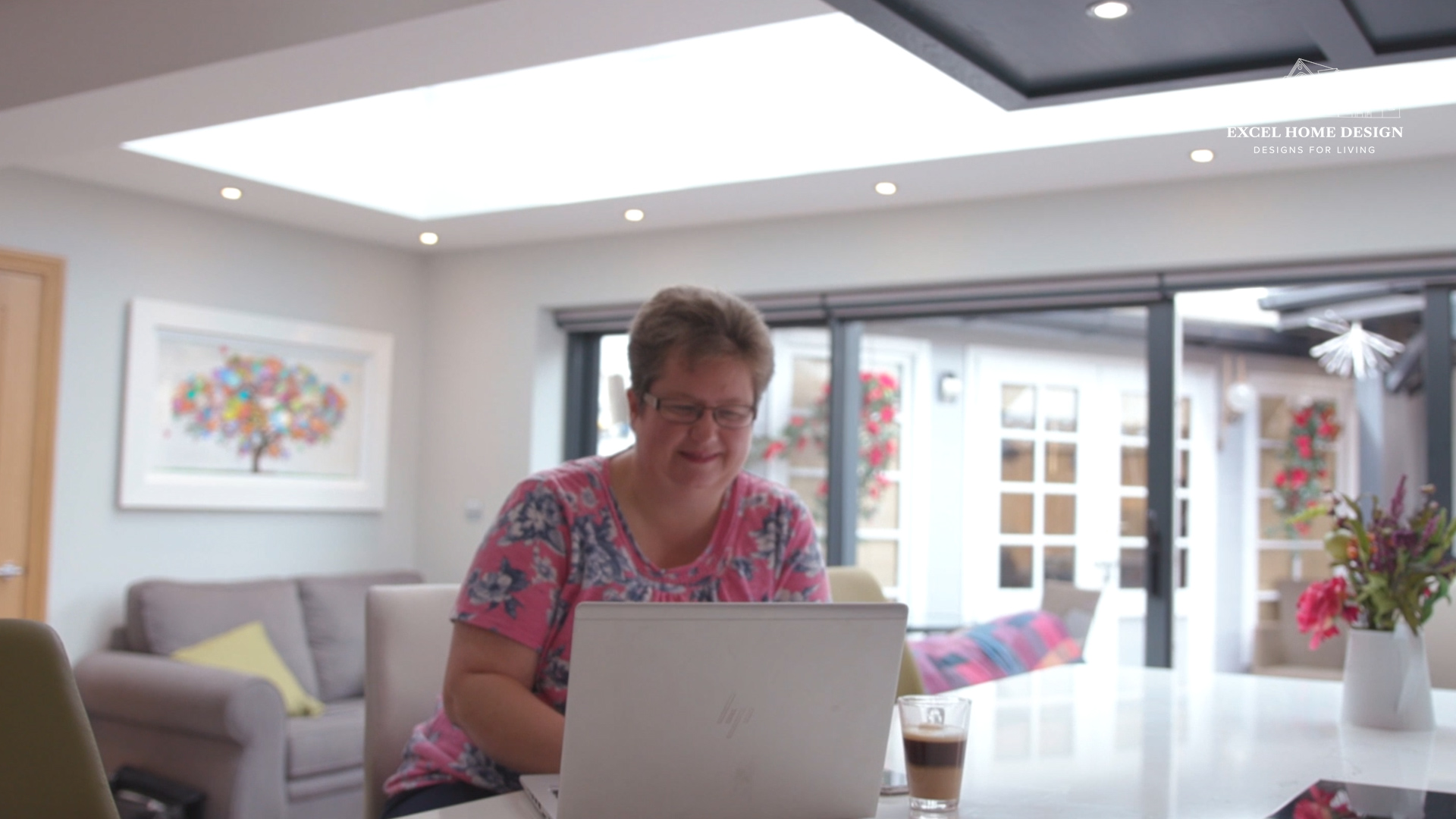
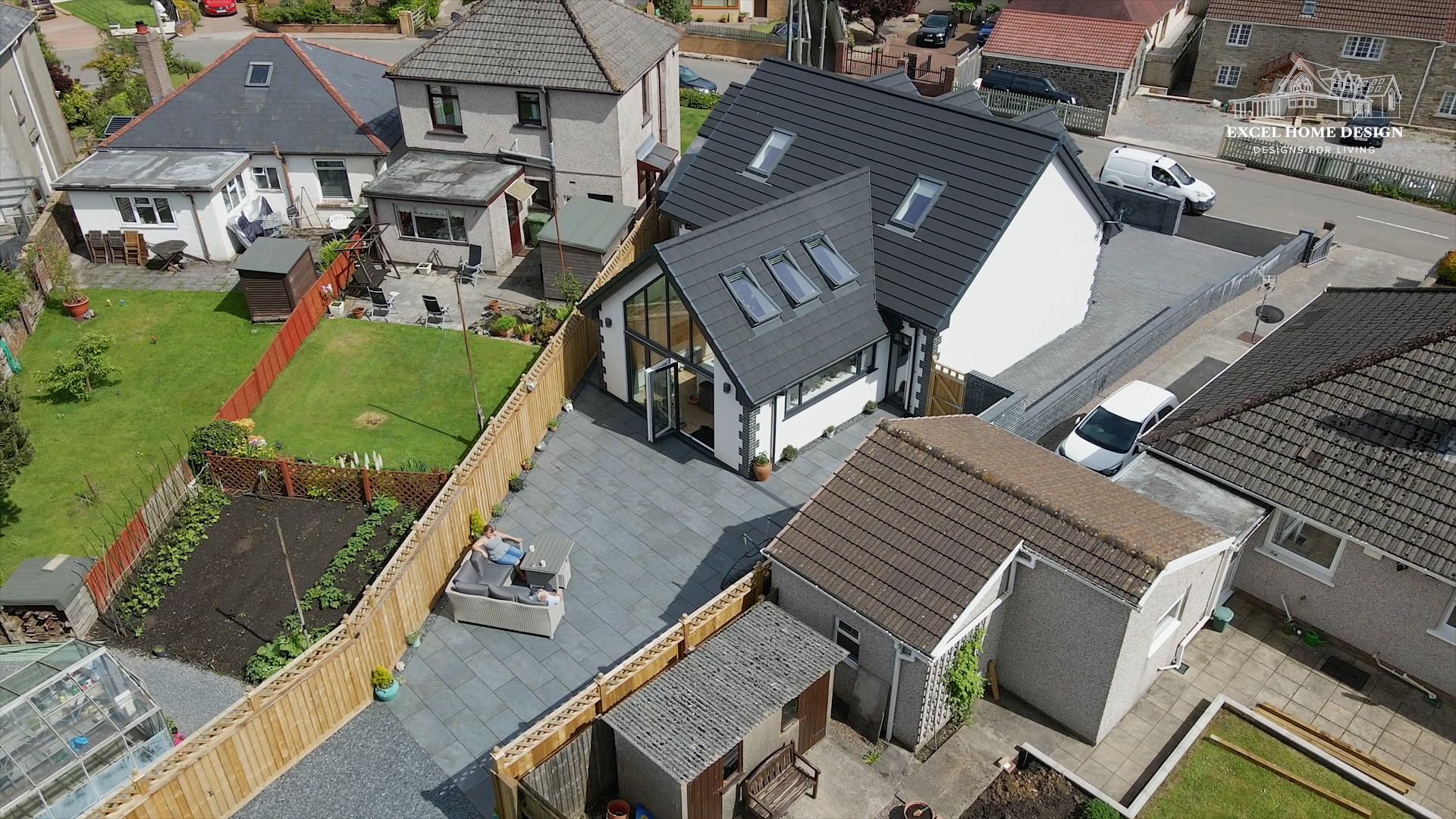
The brief was clear: create a large, open-plan kitchen, dining and living space that felt open, connected and easy to use. The existing structure couldn’t support that vision as it stood.
So we removed the entire rear wall of the property.
It wasn’t a simple job. We installed a nine-metre steel beam, supported at each end with reinforced foundations and a ring beam to carry the load. We did all of that to avoid introducing a central column into the room.
From a construction point of view, it added complexity. But for the people living there, it made all the difference.
The result is a space that flows naturally, without interruption, exactly as the client had imagined from the start.
Seeing it before it’s built
One of the biggest challenges in projects like this is confidence.
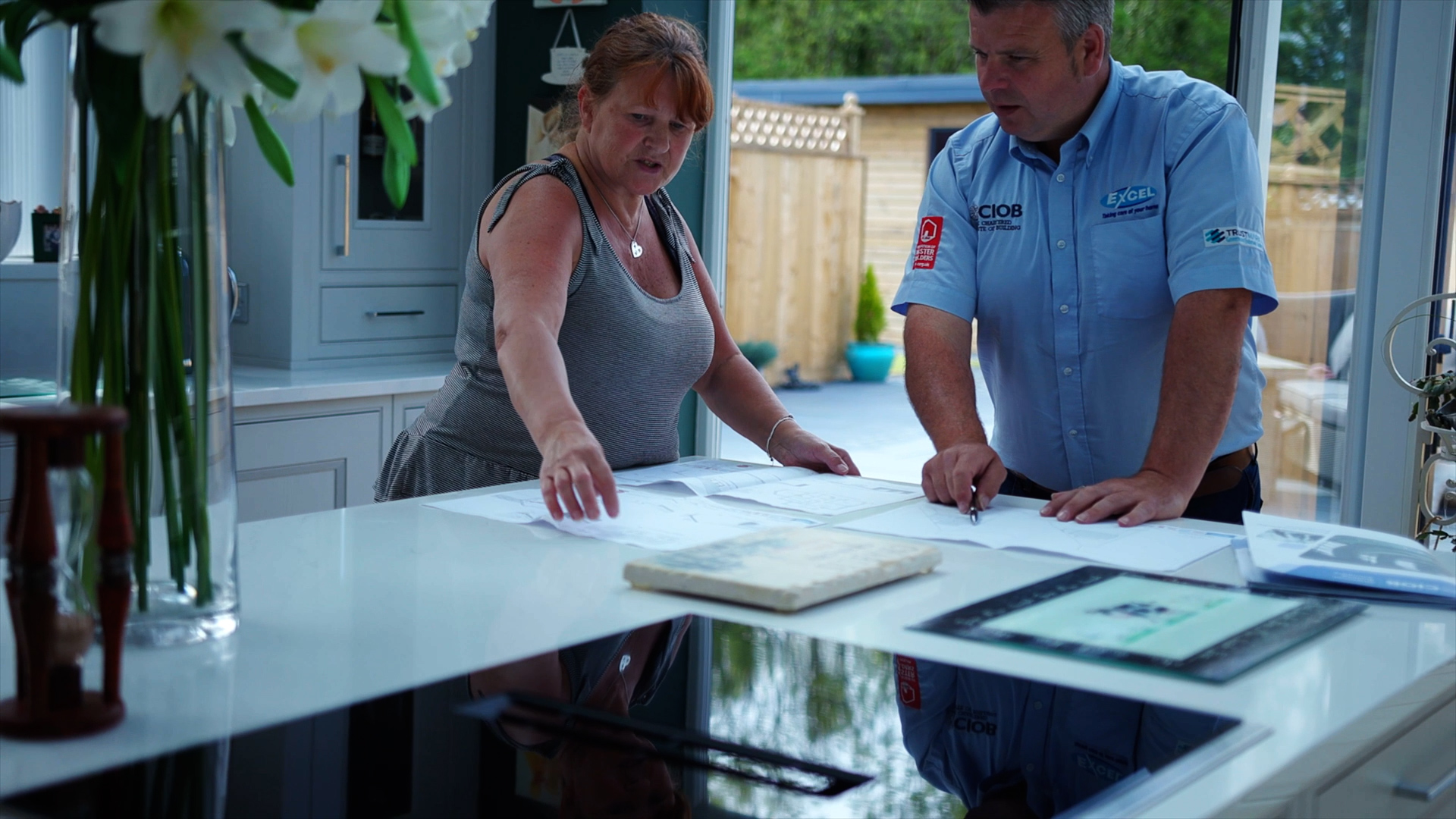
It’s difficult to commit to a layout when you can’t fully picture how it will work in real life. That’s where most plans fall short. A drawing can show you dimensions, but it can’t show you how the space will actually feel.
That’s why we approach design differently.
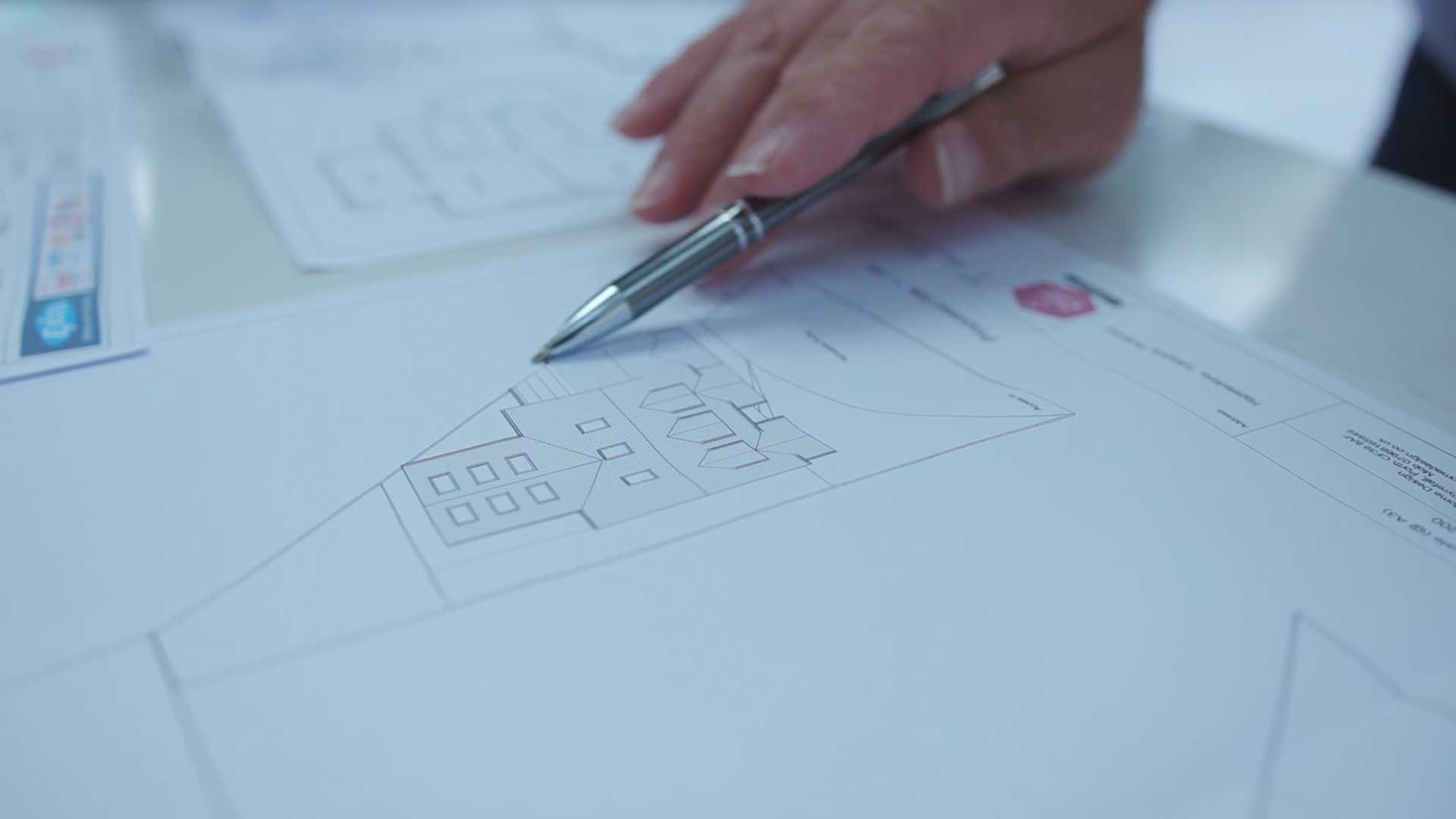
We start with 2D plans to establish the layout and how the space flows. From there, we develop it into a full 3D model so you can understand scale, proportion and how each area connects.
We then take it a step further with video walkthroughs, allowing you to experience the space before it exists. And with our VR suite, you can step inside it, walk around the kitchen, and see how everything works together.
At that point, decisions become much easier.
Not because someone has told you what works, but because you can see it for yourself.
A better place to start
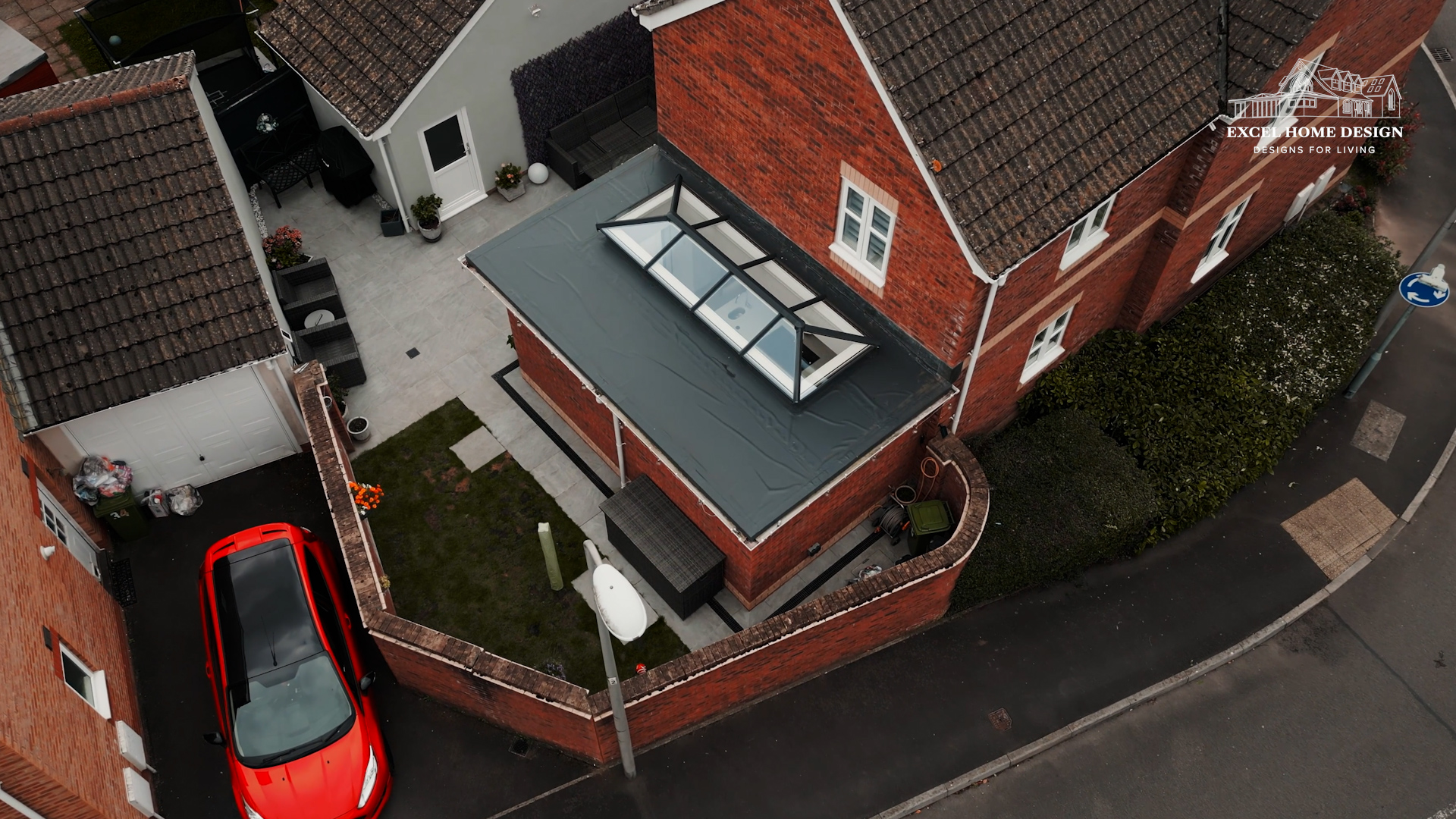
If you’re planning a renovation, the biggest shift you can make is a simple one.
Start with how you want to live, not just what you want to build.
Think about how the space will be used, where people will gather, and how it should feel day to day.
Once that’s clear, the design has something solid to work from, and that’s when the right decisions start to follow.
A Final Thought
If your dream kitchen doesn’t fit the space you have in mind, it’s not a problem. It’s a sign that the design needs more thought before anything is built. Get the space right, and everything else will fall into place.
Thinking about your own project?
If you're at the early stages of planning a renovation, kitchen or sunroom project, we'd be happy to help you explore what's possible before you commit.
A conversation at the right stage can often save time, money and compromise later on.
If you would like to book a no-obligation Creative Meeting with our Award Winning Director then please click here or call us on 01443 561 540.